

For the first time since 1966, the World Cup is heading to England. On Monday, in news that was not a shock, FIFA officially confirmed the hosts of the 2031 and 2035 Women's World Cups. They also confirmed that, from 2031, the tournament will expand to 48 teams.
In five years time, the tournament will predominantly take place in the United States and Mexico, with Kingston in Jamaica and Estadio Nacional de Costa Rica in San José hosting matches too. The U.S. will host for the third time, after '99 and 2003.
More excitingly, from a British perspective, it is now official that the 2035 Women's World Cup will take place in England, Scotland, Wales and Northern Ireland. It will be the first time any World Cup matches, men's or women's, have been staged in any of the latter three countries, while England's only previous World Cup came on the men's side 60 years ago.
Of course, this is nine years away, but is still exciting news, set to be only the fourth Women's World Cup staged in Europe, after Sweden '95, Germany 2011 and France 2019. It will also follow on from the men's Euros in 2028, being staged in Great Britain and Ireland.
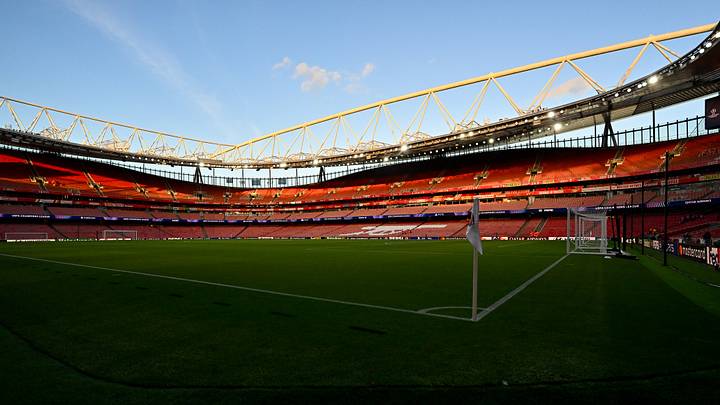
A year ago, the combined FAs released a list of the 21 candidate stadiums, including Arsenal's home, as documented below.
UK proposed candidate stadiums: 2035 Women's World Cup
Stadium | City | Capacity |
|---|---|---|
Wembley | London | 90,000 |
Tottenham Hotspur Stadium | London | 62,850 |
Emirates Stadium | London | 60,704 |
Selhurst Park | London | 25,486 (must be renovated) |
New Trafford Stadium | Manchester | 100,000 (proposed) |
Etihad Stadium | Manchester | 61,038 |
Birmingham Powerhouse Stadium | Birmingham | 62,000 (proposed) |
Villa Park | Birmingham | 50,000 |
Hill Dickinson Stadium | Liverpool | 52,769 |
St James' Park | Newcastle | 52,305 |
Stadium of Light | Sunderland | 48,707 |
Elland Road | Leeds | 37,633 (to be increased) |
Falmer Stadium | Brighton | 31,876 |
City Ground | Nottingham | 31,212 (to be increased) |
Ashton Gate | Bristol | 26,462 |
Millennium Stadium | Cardiff | 73,931 |
Cardiff City Stadium | Cardiff | 33,280 |
Racecourse Ground | Wrexham | 18,500 (after expansion) |
Hampden Park | Glasgow | 51,866 |
Easter Road | Edinburgh | 20,421 |
Windsor Park | Belfast | 18,434 (to be increased) |
For a 48-team tournament, FIFA requires a minimum of 16 venues to be used, so five could be cut but, from an Arsenal perspective, there is a decent chance Emirates Stadium makes the final list. What goes against it is the fact that both Wembley and Tottenham Hotspur Stadium will stage games, but the other proposed London venue Selhurst Park requires major works to be up to FIFA's standards, and is substantially smaller.
Meantime, this tournament is almost a decade away, so plenty could change, and it will need to in some cases. Both Manchester United and Birmingham City are proposing to build brand-new gigantic stadiums, but whether either, both or neither actually come to fruition, well who knows.
Similarly, both Leeds United and Nottingham Forest do have approval to expand Elland Road and the City Ground respectively, so perhaps this announcement will increase the urgency to complete these projects.
The prospect of Women's World Cup matches in N5 is of course very exciting. Arsenal have been at the forefront of women's football for decades, both in England and across Europe, so this feels like a fitting reward.
 Add us as a preferred source on Google